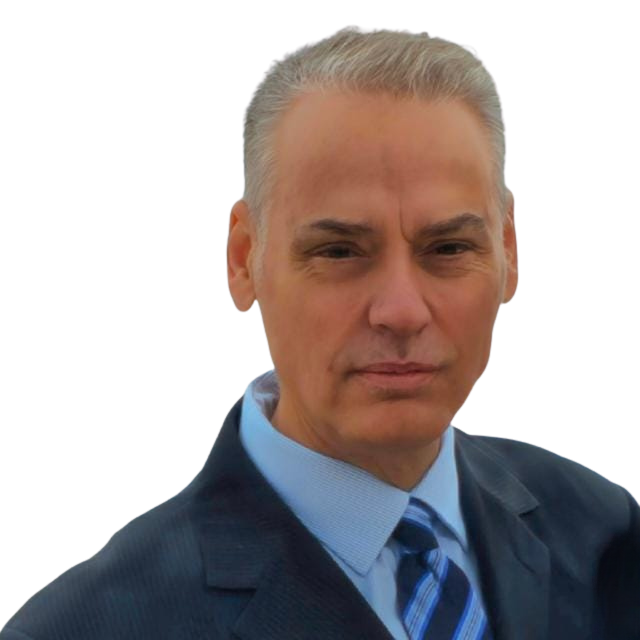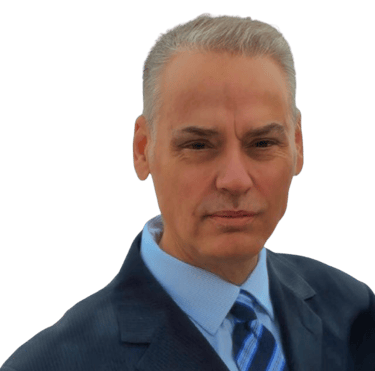
FORMER: Crisis Intervention Trainer, Psychological First Aid Instructor, and Human Rights Advocate
Bill Vassilopoulos is an author, speaker and veteran crisis intervention educator whose life and work are driven by a profound, hard-won realization: he didn't want to die; he just needed the intense pain he was experiencing to stop.
Global data reports 1.6 million suicide attempts annually, though forensic analysis suggests the true incidence is significantly higher. In Canada, the crisis is pervasive: 1 in 3 citizens will live with a diagnosable mental illness—including debilitating anxiety, depression, PTSD, OCD, ADHD, and life-threatening eating disorders. These conditions do not merely exist; they fundamentally degrade cognitive function, social stability, and executive control.
While the crisis affects everyone, the outcome is starkly gendered: men are disproportionately represented in the death toll, often due to the lethal convergence of impulse-driven disorders like ADHD and the catastrophic finality of their chosen methods. Every death is a failure of our support infrastructure. Yet, the data reveals a critical truth: the majority of those who reach the point of crisis do not succumb; they recover. My survival since 1988 is the statistical outcome of enduring the acute phase of this crisis. I speak from nearly four decades of experience: the 'narrowing of the mind' is a temporary state, not a permanent diagnosis. My recovery is evidence that intervention works, provided we reject the lie that human suffering is terminal. Today is a viable day; tomorrow is a stronger one."
As a former Crisis Intervention Trainer and Psychological First Aid (PFA) Instructor, Bill blends his extensive professional expertise with a steadfast Christian worldview to deliver a message of radical hope. His core philosophy is built on the unwavering belief that every single human citizen is entirely irreplaceable, unrepeatable, and highly valued-- and that no person, no matter their mental or physical struggle, is ever a burden to this world.
This deeply personal philosophy fuels Bill's active role in the Canadian "Abolish MAiD" movement. As a public advocate, he exposes how Canada's official statistics hide a massive, nationwide crisis of despair. Bill highlights a stark administrative reality: while Canada's officially recorded suicides hover flatly around 4,500 deaths per year, this number is artificially masked. Under federal guidelines, the number 111,000+ Canadians who have died via by Medical Assistance in Dying (MAiD) since 2016 are legally registered under their underlying medical condition with the manner of death checked as "Natural." Furthermore, the 65,000+ accidental opioid and fentanyl toxicities over the last decade are barred from being labeled as suicides due to strict post-mortem intent laws, despite thousands of individuals using illicit substances to self-medicate and numb severe psychic pain. In total, Bill points out that over 223,000 Canadians have ended their lives across these three overlapping tracks of deep suffering in just 10 years.
Bill stands firmly against the expansion of MAiD laws, particularly for individuals facing mental health challenges and non-terminal disabilities (Track 2). He exposes critical loop holes in the system, such as Section 241.2(3.1) of the Criminal Code, which allows clinicians to completely drop the mandatory 90-day Track 2 reflection buffer to zero if they claim a patient is at risk of imminently losing cognitive capacity to consent--creating a dangerous fast-track for non-terminal patients in acute crisis.
To demonstrate the total collapse of institutional oversite. Bill points to documented regulatory investigations by the College of Physicians and Surgeons of Ontario (CPSO) In a landmark case, a physician conducted a formal Track 2 MAiD eligibility assessment on a non-terminal patient struggling with inflammatory bowel disease and severe mental health distress outside a Tim Horton's coffee shop. Bypassing standard clinical boundaries and defying the desperate pleas of the family who were fighting for psychiatric intervention, the doctor personally drove the patient in his private vehicle to the site of the lethal injection. In a secondary case involving the same physician, the doctor failed to administer the full lethal medication protocol, prematurely pronounced the patient dead, and left the home--only for the family to discover the patient had unexpectedly resumed breathing, forcing the doctor to return.
Bill draws a fierce line in the sand when it comes to protecting the youngest and most vulnerable, strongly opposing proposals to extend MAiD to infants with disabilities and mature minors aged 12 and over without parental consent. He also advocates for strict medical oversight, speaking out against off-duty psychiatrists conducting unmonitored mental health assessments outside of formal, licensed clinical settings.
At the heart of Bill's mission is "protecting the circle." Knowing that every loss by suicide leaves an average of 8-11 immediate family members and friends carrying a lifetime of trauma. Bill challenges lawmakers, communities, and individuals to choose active intervention over passive assistance. Through his writing and speaking, Bill acts as a living testament to the fact that when society chooses to step in and help carry the weight of the intense pain, recovery isn't just a temporary reprieve--it opens the door to a lifetime of purpose, connection and hope.
Verified Sources covering this case: Because this ruling was made public, multiple major Canadian legal and news organizations reported on the documents.
Suicide Statistics: Statistics Canada, Center for Translational Data; Vital Statistics- Death Data Base (2016-2024)
MAID Scaling and Tracking: Health Canada, Annual Reports on Medical Assistance in Dying Canada (Third Through Six Annual Reports).
Opioid, Fentanyl Toxicity Data: Public Health Agency of Canada (PHAC) Special Advisory Committee on Epidemic of Opioids Overdoses (Quarterly Updates & Cumulative 2025/2026 Datasets)
CTV News (London): Published the detailed breakdown of both Patient #1 and Patient #2 based directly on the college reports, detailing the text messages, the coffee shop meeting, and the missing medication
The Globe and Mail (Ontario Edition): Covered the story, noting that the documents show the college decided to handle the discipline via formal caution and supervision plan rather than escalating to the full Ontario Physicians and Surgeons Discipline Tribunal.
National Post/ Legal Briefs: Reported on the safety, oversight, and ethical concerns raised by the case of Ontario residents navigating MAiD laws.
Patient 1 (The Tim Hortons" Element); London Free Press ..."He later texted excessively with the patient beyond professional boundaries..."
Patient 2 (The Medication Protocol Element): "London Free Press ..."Because the pharmacy kit wasn't ready, he used an older kit he had on hand. He administered the anesthetic propofol but failed to administer the typical secondary neuromuscular-blocking drug..."